
Top Motorcycle Safety Tips: How To Avoid Motorcycle Accident
Riding a motorcycle feels amazing. The wind on your face, the freedom of the open road, and that rush you just don't get inside a car. But let's be honest, riding also comes with real risks. Motorcyclists are far more exposed than drivers, and a small mistake can turn into a serious accident in seconds.
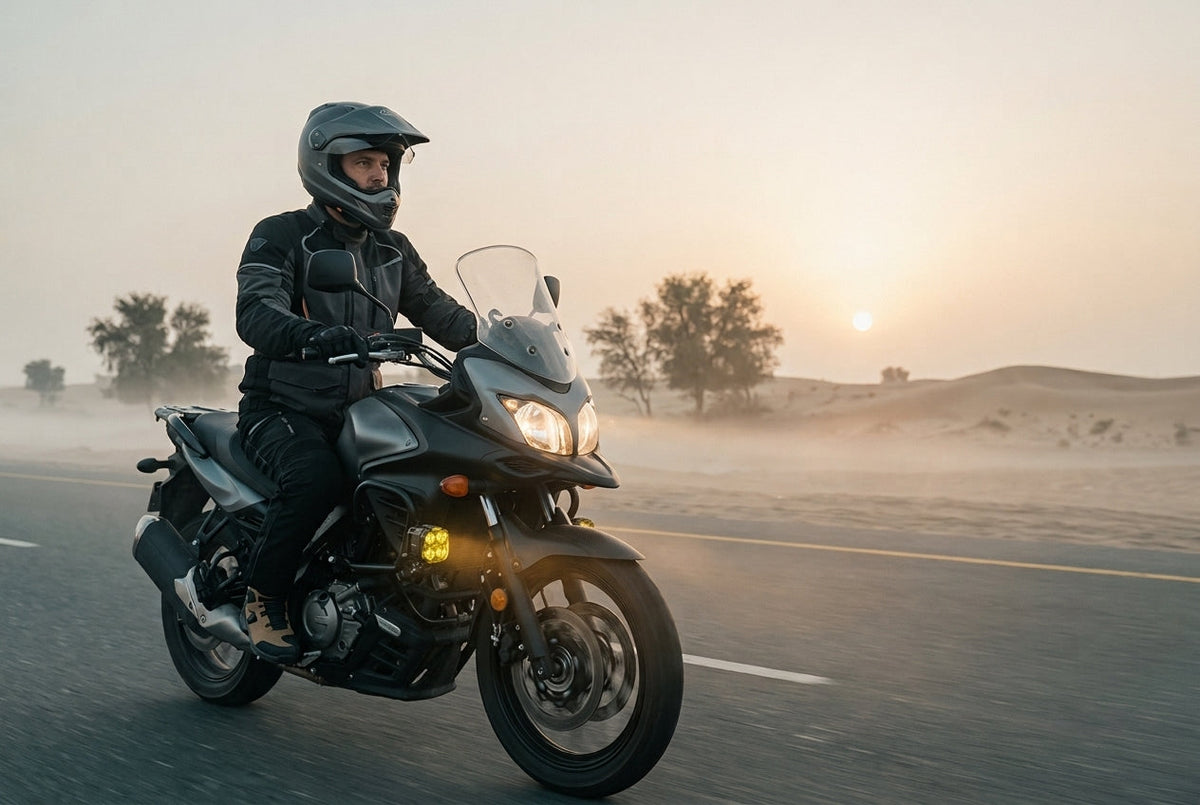
The good news? Most motorcycle accidents are avoidable. With the right habits, gear, and awareness, you can enjoy every ride while keeping the odds in your favor. Here are the safety tips every rider, new or experienced, should know by heart.
1. Always Wear a Proper Helmet
This one should go without saying, but it's worth repeating because so many riders still skip it or wear low quality helmets. A good helmet is the single most important piece of gear you own. It should fit snugly, meet safety certification standards, and cover your full head, not just the top.
Don't buy a helmet just because it looks cool. Check that the strap is fastened properly every single time you ride, even for short trips. Most fatal head injuries happen on rides people thought would be "quick and safe."

2. Gear Up From Head To Toe
A helmet alone isn't enough. Your skin needs protection too. Invest in:
- A riding jacket with armor at the elbows and shoulders
- Riding gloves for grip and hand protection
- Long pants, ideally riding pants with knee protection
- Boots that cover your ankles
Riding in shorts, slippers, or a t-shirt might feel comfortable in hot weather, but road rash from even a low speed fall can cause serious damage. Good gear is not about looking tough, it's about walking away from a fall instead of being carried away.
3. Do A Pre-Ride Check Every Time
Before you start the engine, take two minutes to check your bike. Look at your tire pressure and tread, brakes, lights, mirrors, and chain. A tiny issue like a soft tire or a dim brake light can turn into a big problem once you're on the highway.
Think of it like brushing your teeth. It only takes a minute, but skipping it regularly leads to trouble down the line.

4. Ride Within Your Skill Level
Every rider wants to feel confident, but confidence should come from experience, not ego. If you're new to riding, don't jump on a high powered superbike right away. Start with something manageable, learn how your bike handles in different conditions, and build up slowly.
Even experienced riders should avoid roads or weather conditions that push past their comfort zone. There's no shame in turning back or slowing down when things feel off.
5. Watch Out For Blind Spots, Yours And Theirs
Motorcycles are small and can easily disappear into a car's blind spot. Many accidents happen simply because a driver didn't see the bike next to them. Never assume a car has spotted you, even if you can see the driver's mirror.
A simple rule: if you can't see the driver's eyes in their mirror, they probably can't see you either. Position yourself where you're visible, and avoid lingering in a car's blind spot for too long.

6. Keep A Safe Following Distance
Motorcycles need more room to stop safely compared to cars, especially at higher speeds. Tailgating another vehicle gives you almost no time to react if they brake suddenly. A good habit is the three second rule: pick a fixed point on the road, and make sure at least three seconds pass between the vehicle ahead reaching that point and you reaching it.
In wet or dusty conditions, double that gap. Braking distance increases a lot when the road isn't dry.
7. Avoid Riding In Bad Weather When Possible
Rain, dust storms, and strong winds all make riding riskier. Roads become slippery, visibility drops, and your bike reacts differently than usual. If you can delay a ride until conditions improve, do it.
If you do get caught in bad weather, slow down, increase your following distance, and avoid sudden braking or sharp turns. Smooth, gentle inputs are key when the road isn't giving you full grip.
8. Stay Off Your Phone
This applies to every rider, no exceptions. Checking a message or glancing at navigation while riding takes your eyes off the road for just a second, but that's often all it takes for an accident to happen. Set up your route before you leave, use a phone mount if you need navigation, and never text while riding.
9. Never Ride Tired Or Under The Influence
Fatigue slows your reaction time just like alcohol does. If you're exhausted, your body is running on autopilot, and that's dangerous on two wheels where balance and quick decisions matter constantly. Take breaks on long rides, get proper rest before heading out, and never ride after drinking, even if you feel "fine."

10. Be Extra Careful At Intersections
A huge number of motorcycle accidents happen at intersections, where another vehicle turns into a rider's path. Slow down as you approach any junction, cover your brakes, and make eye contact with drivers when possible. Never assume a car will yield just because it's supposed to.
11. Practice Emergency Braking
Most riders never practice hard braking until they actually need it in a real emergency, and by then it's too late to learn. Find an empty parking lot and practice controlled emergency stops so your muscles know exactly what to do when a real situation happens. Knowing how to brake hard without locking your wheels can be the difference between a close call and a crash.
12. Respect The Heat
If you're riding somewhere with intense heat, dehydration becomes a real safety issue too. Feeling dizzy or losing focus because you're overheated is just as dangerous as bad weather. Carry water, take shade breaks, and choose cooler hours for longer rides when you can.
Final Thoughts

Motorcycle riding will always carry some level of risk, that's simply the nature of being on two wheels instead of four. But most accidents come down to a few repeated mistakes: no gear, poor visibility, distracted riding, or riding beyond your skill level. Fix those, and you cut your risk dramatically.
Ride smart, gear up properly, stay alert, and treat every other vehicle on the road as if they haven't seen you. That mindset alone will keep you safer than almost anything else.
Stay safe out there, and enjoy the ride.